
They walk daily. They don’t look overweight. They rarely visit hospitals. Then suddenly: BP is 170/100, sugar is 300, blockages appear. The uncomfortable truth? Diseases don’t happen suddenly—they reveal themselves suddenly, after years of silent progression. Your parents’ bodies were whispering warnings. Everyone mistook it for normal ageing.

Our Understanding of “Healthy” Is Often Misleading
What We Think Is Healthy
- Walking in the morning
- Not visibly overweight
- Rarely complaining
- Managing daily work
- Normal-looking reports
But looking normal outside doesn’t mean metabolically healthy inside. Weight and activity alone don’t tell the full story of cellular health.
What Real Health Actually Means
- Metabolic flexibility
- Inflammation control
- Quality sleep and recovery
- Emotional wellbeing
- Strong mitochondrial function
- Preserved muscle mass
A person can appear perfectly fine whilst being metabolically compromised at the cellular level—the damage accumulates silently.
Chronic Inflammation: The Silent Internal Rust
Stiffens Arteries
Chronic inflammation causes arterial walls to lose flexibility, leading to elevated blood pressure that appears seemingly overnight.
Damages Insulin Receptors
Ongoing inflammation interferes with insulin signalling, causing cells to resist glucose uptake and triggering diabetes.
Weakens Heart Muscle
The inflammatory process gradually compromises cardiac tissue, reducing pumping efficiency and causing heart failure over time.
Affects Brain Tissue
Brain inflammation disrupts neural pathways, manifesting as memory issues and cognitive decline that worsen progressively.
Unlike acute inflammation with visible redness and pain, chronic inflammation is silent, painless, and ongoing — a continuous fire your parents never feel but that steadily damages their body systems.
When Cell Engines Slow Down: Mitochondrial Dysfunction
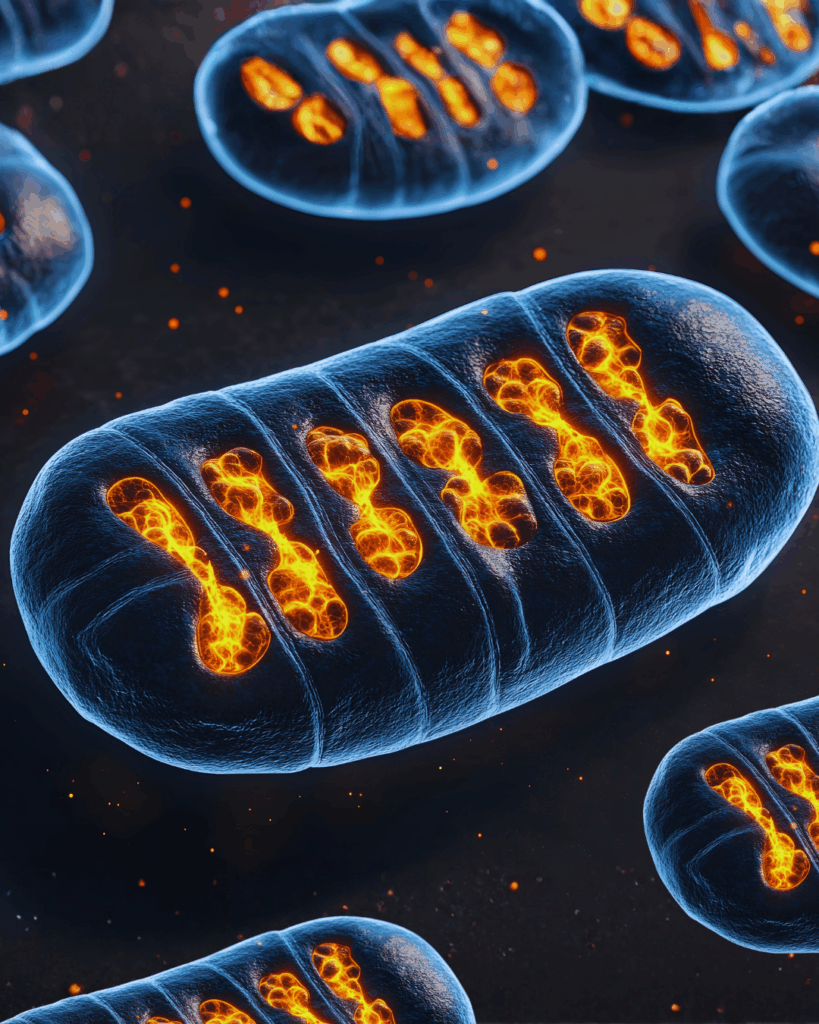
Years Before Diagnosis
Mitochondria are the engines inside every cell. With age, stress, toxins, and poor sleep, these engines produce less energy. Sugar isn’t burnt properly, fat storage increases, and muscles weaken—all happening invisibly.
- Persistent Fatigue:
Energy production drops, causing exhaustion despite adequate rest. - Belly Fat Accumulation:
Unused glucose converts to visceral fat, even at normal weight. - Insulin Resistance:
Cells struggle to utilize glucose efficiently, setting stage for diabetes.
Diabetes and heart disease aren’t just sugar or cholesterol problems—they’re energy problems at the cellular level.
“Normal Reports” Can Be Dangerously Misleading
Many people say, “But the reports were normal last year…” The problem? Most tests check for damage, not dysfunction. Cells struggle for years before reports reflect it.
ECG May Be Normal
Standard electrocardiograms can miss developing arterial blockages that haven’t yet affected heart rhythm or caused damage visible on the test.
Fasting Sugar Looks Fine
Morning glucose readings may appear acceptable whilst insulin levels are dangerously elevated—a precursor to full diabetes that remains undetected.
Cholesterol Numbers Seem Acceptable
Total cholesterol may fall within range even as arterial inflammation progresses and dangerous plaque formations develop silently.
Echo Appears “Normal”
Echocardiograms might show adequate ejection fraction whilst missing diastolic dysfunction—the heart’s inability to relax and fill properly between beats.
The Muscle Loss Nobody Talks About
The Dangerous Pride
Some People proudly announce: “I’m 60 and still the same weight as at 30!” But here’s the concerning reality they’ve often lost muscle, gained fat, yet maintained the same body weight. Society praises them for staying “slim” when actually their metabolism is declining dangerously.

Less Muscle Means:
- Increased insulin resistance
- Higher diabetes risk
- Greater fall risk
- Progressive weakness
- Elevated cardiovascular risk

Stress Swallowed, Not Expressed
“I’m anxious about money, health, and the future—but I’ll never say it aloud to burden my children.”
“I feel lonely now that everyone is busy, but I’ll just say ‘Bas thoda BP badh gaya.’”
“I’m scared about becoming dependent, so instead I’ll mention ‘Thakaan rehti hai’ casually.”
Your parents rarely articulate emotional distress directly. Unexpressed stress increases cortisol, raises blood pressure, promotes abdominal fat accumulation, worsens sleep quality, and triggers metabolic dysfunction. Parents worry silently, and their bodies speak for them through physical symptoms that appear “suddenly.”
The Dangers Hiding in Plain Sight
Snoring: The Normalised Killer

Snoring becomes such a normalised part of home life that it transforms into a family joke. But untreated sleep apnoea isn’t funny—it causes resistant hypertension, heart enlargement, increased risk of sudden cardiac death during sleep, diabetes, and cognitive impairment.
You’ll hear: “Sote time zor se saans leta hoon bas.” But it’s actually oxygen deprivation to the brain every single night.
“Ghar Ka Healthy Khana” Isn’t Always Healthy

Oil-soaked parantha is still “ghar ka.” White rice three times daily is “ghar ka.” Sugar in chai 4 times daily is “ghar ka.” Home-cooked doesn’t automatically mean anti-inflammatory, blood sugar safe, or heart friendly.
- Late dinners after 9 PM
- Minimal protein intake
- Excess chai consumption
- Insufficient vegetables
- Sweets “occasionally” (meaning weekly)
These daily habits compound silently over 10–15 years.
What You Can Do—Without Lectures or Blame
Parents shut down when you scold, blame, or lecture. They don’t need critics—they need partners who demonstrate love through action, not fear-based warnings.
01
Have Gentle Conversations
Ask caring questions: How is your sleep? Do you get breathless climbing stairs? Any swelling in your feet? Are you forgetting things more often? Listen without judgment.
02
Prioritise the Right Tests
Move beyond routine blood sugar checks. Focus on insulin resistance markers, inflammatory markers (hs-CRP), heart diastolic function assessment, sleep studies if snoring persists, and body composition analysis—not just weight.
03
Change Lifestyle as a Family
Walk together daily. Eat dinner earlier as a family. Reduce collective TV time. Strength train together twice weekly. Sit in morning sunlight together. Make health a shared journey, not an individual burden.
They don’t need lectures. They need partners who walk beside them, not critics who point fingers from a distance.
Prevention Is Love in Action
Your Parents Didn’t Ignore Their Health
They prioritised you over themselves. They suppressed stress to keep the family stable. They ignored symptoms to avoid worrying anyone. They kept going despite warning signs because they survived on responsibility, not health.
Now it’s your turn to protect them—before disease forces your hand. Don’t wait for emergency angioplasty, bypass surgery, dialysis, or insulin injections to become unavoidable realities.
The Real Diagnosis
Not just diabetes, high BP, or heart disease—but metabolic syndrome, chronic inflammation, and mitochondrial dysfunction that don’t show on a single report but reveal themselves through fatigue, belly fat, breathlessness, and declining function.

Prevention isn’t fear-based medicine. It’s love in action.
We help decode silent risks before they become disease. Check if your parents are at risk—even if their reports appear “normal.”